


The ultimate checklist to launching a crypto token in 2026
Reading time:
Category:
Launching a crypto token in 2026 requires far more than hype and community buzz. A successful token launch depends on structured planning, transparent tokenomics, clear vesting schedules, regulatory awareness, and a long-term growth strategy. This guide walks Web3 founders through the essential steps of preparing for a token launch — from defining allocation models and building staking infrastructure to avoiding common pitfalls and earning investor trust. By focusing on execution, transparency, and sustainable incentives, founders can turn a token launch into a strong foundation for long-term ecosystem growth rather than a short-lived event.
A comprehensive token launch guide for web3 founders
A token launch is the process of creating, structuring, distributing, and listing a crypto token for a Web3 project. It includes defining tokenomics, allocations, vesting schedules, community incentives, general marketing, exchange listings, smart contract audits and more.
As a founder of a tokenized startup or company, there are various things you need to have prepared before launching your token itself, in order to set yourself and your company up for success.
Whether it is a marketing strategy, the right tokenomics, partners and investors, or even the size of your community, all of these aspects factor into the potential success of your token launch, and thus how your company may be perceived within the crypto and web3 space.
So let’s break down what it is that you really need to be ready to launch your token:
Tokenomics
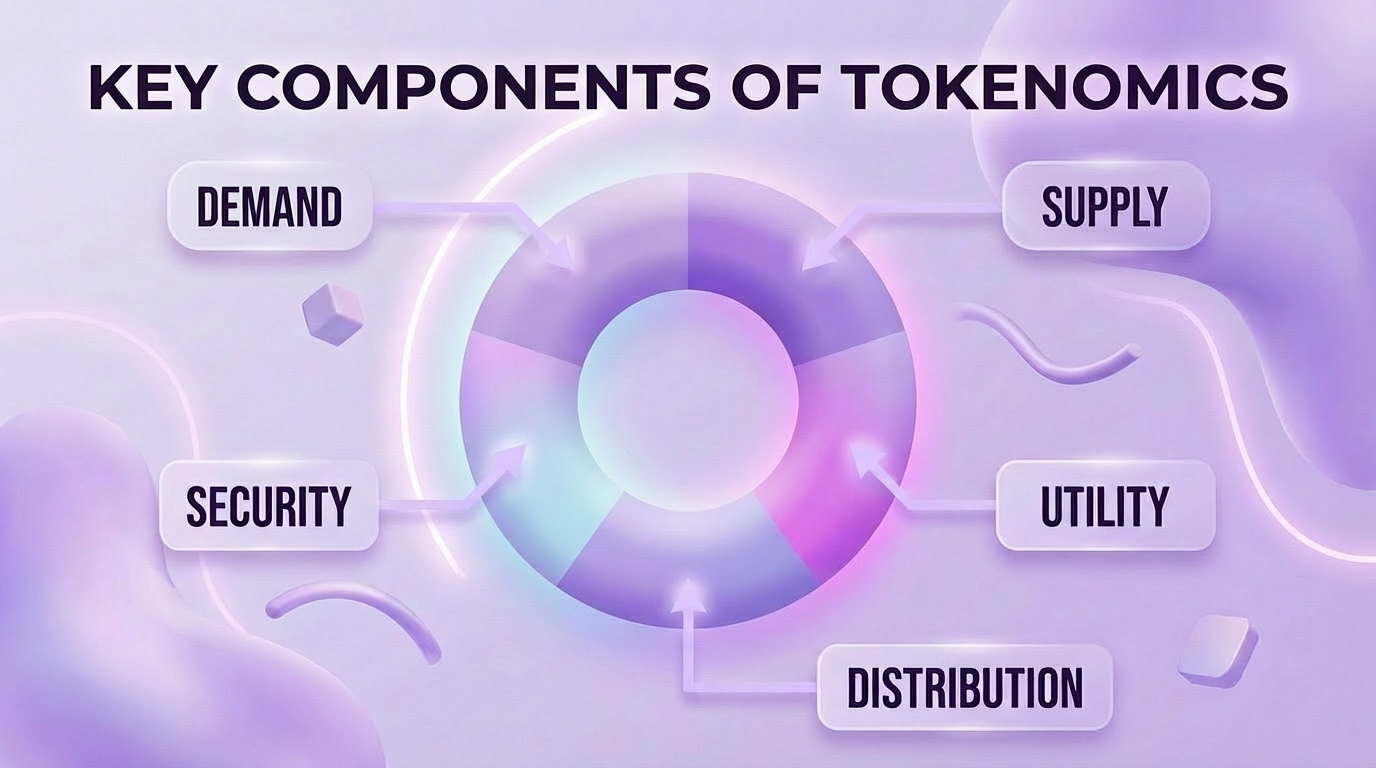
First things first, your tokenomics. Any tokenized company has its tokenomics as a centerpiece, because that’s what will, to a large extent, dictate what you can actually do with your token, how it is distributed, who should have or get how much and thus tokenomics will steer, or at least influence, the future of your company. Here’s what you need to consider:
- Supply strategy and management
- Stakeholders and their allocations
- Vesting
- Transparency
- Market research
Token Supply strategy and management
Before anything, you’ll need to define what your total token supply will be, what it is affected by and how you manage your supply. Certain actions in your app or product may lead to tokens being distributed or burned, for example. Understand what mechanisms will affect your token and define your token distribution strategy accordingly.
Stakeholders and allocations
A token allocation breakdown, basically. Which parties are supposed to receive tokens, how much are you allocating to those parties, how many tokens are each of those receiving, and is the amount you’re allocating to them adequate based on your roadmap, financial projections, etc…? The kind of stakeholders you include in your tokenomics highly depends on your company and your roadmap.
Vesting
Now that you’ve defined stakeholders and their respective allocations, you’ll need to define the time frames over which they will receive the tokens you allocated. These may vary strongly from stakeholder to stakeholder. VCs and investors will often receive their tokens before your team members, for example, whereas participants in public token sales may receive them right at TGE.
Consider using a tool to help you with your token distributions. Sending tokens at regular intervals, managing airdrops and other distributions can quickly become overwhelming. A token management system like Decubate’s TMS can simplify this process.
Transparency
One of the most important aspects of your tokenomics is transparency, both towards your investors and your community or token holders. Various companies in the past have suddenly changed their tokenomics due to various reasons and circumstances, which often lead to the erosion of trust, something that could eventually stagger or even stop your growth entirely. Once you’ve finalized, publicized, or even signed contracts with investors based on your tokenomics, keep them as they are and communicate them clearly.
Market research
As a final step, do a sense check. You might be happy with your tokenomics as you have defined them, but that doesn’t always mean the market will agree with you. Look for similar projects across the market and analyze their tokenomics to gain valuable insights. Adjust your tokenomics if necessary and find a good balance between what you envision and what works in the market.
Here’s a checklist to make things easier:
- Define your total supply and token mechanisms. Lay the groundwork for your tokenomics.
- Consider all stakeholders (Investors, team, treasury, marketing, community incentives, etc..)
- Gauge and project how much of your token supply should be allocated to each stakeholder over the course of your roadmap
- Allocate the appropriate amount of tokens to the stakeholders you defined
- Define vesting schedules for your stakeholders.
- Make your tokenomics transparent and keep your word! The moment you sign contracts with investors or go public with your tokenomics, they are set in stone, don’t change them.
- Do market research in order to understand what vestings are modern and currently being applied by comparable companies
Some best practices for tokenomics and vesting include things such as:
- Locking team tokens for at least 12 to 24 months to show confidence and build trust
- Don’t sell more of your supply than you need to
Quick FAQ on Tokenomics:
- Which token allocations do I need to plan with?
- Most commonly, a combination of: Investors (sometimes in multiple investment rounds), team, marketing, treasury, development, etc… There might be more or fewer, depending on your project and product
- How do I know my tokenomics are good?
- Feedback and analysis. Investors, as well as your community, will give you inputs and reactions based on your tokenomics. Combine that with your findings from analyzing similar companies’ tokenomics.
- Can I change my tokenomics after the fact?
- Ideally, you don’t. You are in control here, but most projects that have changed their tokenomics after listing have faced harsh backlash from that.
Product
Any company, whether web3 or not, always offers a product or a service, which is the very heart of that company. Regardless of what you’re offering, you need to make sure it’s compelling enough for people to be interested in investing or engaging with you.
In order to be effective, here’s a list of things you should consider:
- A competitive offering
- Roadmap
- Current traction and exposure
A competitive offering
Analyze and compare similar companies and products or offerings and adjust your positioning in a way that captures an audience and ideally does it better than any of your competitors.
Roadmap
Plan out at least the next 3 years of your company and define milestones in a roadmap, which you publish alongside any other material you initially put out. If investors and the community know what’s coming, you can build trust and confidence with them, especially if you manage to accomplish your milestones.
Traction
Show the traction that you already have, whether it’s the current stage of your product, your community strength, or whatever you can use to show your current progress. Use that and communicate it well.
Another checklist to make things easier:
- Position your offering competitively. Analyze, compare, and improve over your competitors.
- A comprehensive roadmap. Define realistic milestones and accomplish them.
- Showcase your traction. Traction is what matters most. Leverage anything you can to showcase the strength of your product or company.
Quick FAQ on Product:
- Does my product need to be fully developed before launch?
- No, most projects launch their tokens when they have some core pieces of their technology built, or even when they’re still in a beta-phase, but the more you have developed, the better.
- Can I adjust my product and roadmap along the way?
- Yes, absolutely. Especially in web3 and crypto, there often is a predefined way to build and grow a company. Many have pivoted and adjusted their offering and have become even more successful through that. Just make sure it makes sense.
Marketing
Communicating your company’s vision and purpose for your token is essential. Without proper marketing and community building, you won’t even get enough interest to be successful.
Here’s what you need to keep in mind:
- Engaging- and regular posts
- Building your community
- Adapt what works
- Partnerships and influencers
- Incentives
Engaging and regular posts
Treat your company as if it were an influencer, trying to get as much reach as possible. The more interesting your posts are, the more people will engage with them, making them visible to more people. Posting regularly is imperative to show you’re very much alive, still building, and thriving. For example: At least one post every 3 days.
Build and use your community.
Engage with your community and involve them as much as you can. Real interest comes from incentives, enticing product offerings, and being in line with your followers. If your community feels right at home, they’ll reward you for it. Set yourself a goal for what size following you want to achieve and reach it.
Learn from others
Look around and see what works. Marketing is an ever-evolving thing, but if you find things and approaches that work, replicate them in your own way.
Use marketing partners
In short: influencer marketing. It’s no secret nowadays that influencers reach a much larger audience in a more organic way than most other marketing approaches. Be careful who you choose to work with and make sensible agreements with them.
Incentives
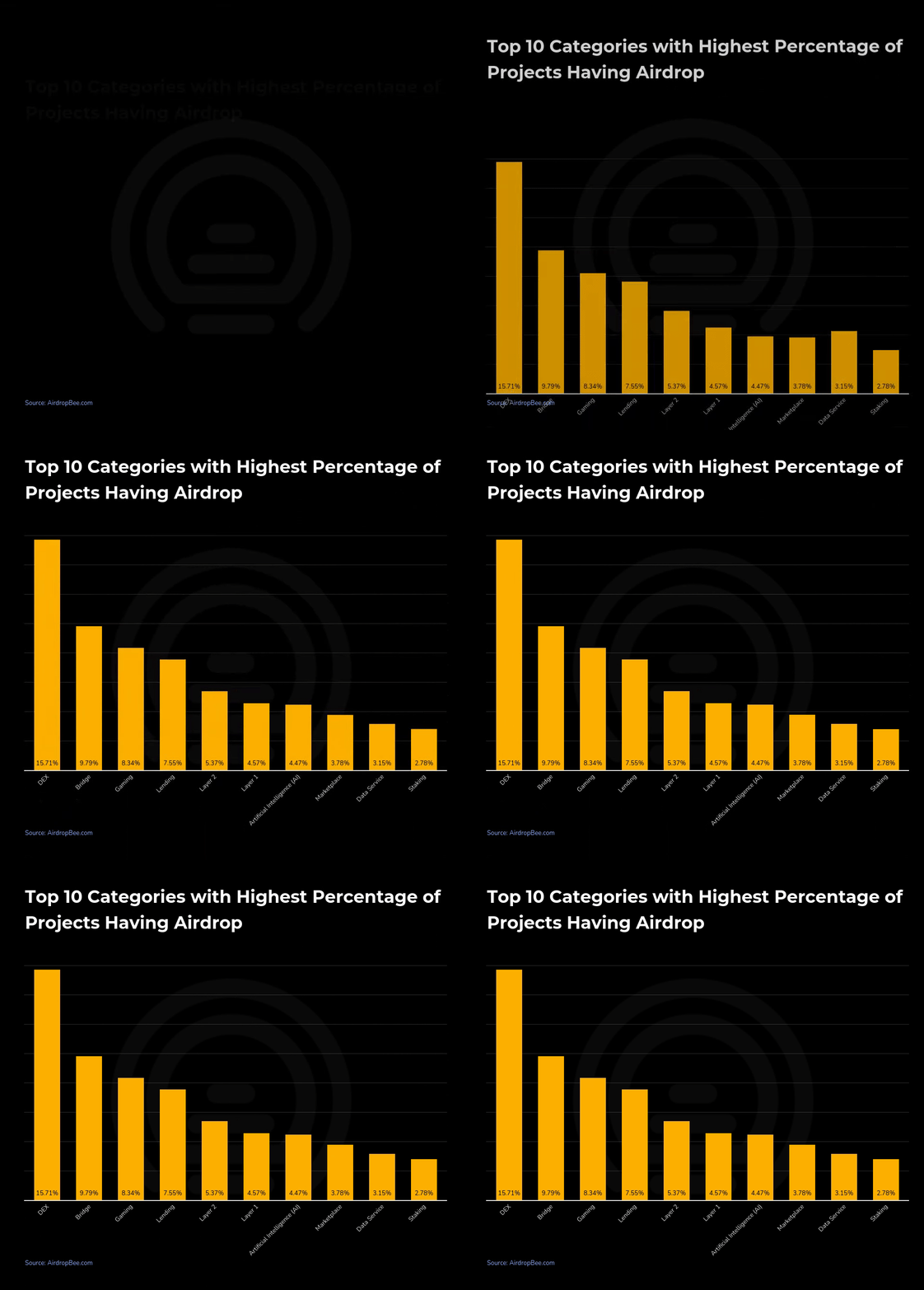
Nowadays, incentives are one of the most utilized tools in the crypto-marketing toolbox. More than 85% of companies having listed tokens in 2024 alone, have implemented a form of airdrop or other incentive to engage their users and it’s only fair to assume that number has risen since. Be careful with how much of your token supply you use for this, but consider incentivizing your community.
Using a tool like TMS to manage the distributions you make through your incentives can give you valuable insights into how these may affect your token overall, as well as make the process itself much more efficient.
In short:
- Make regular posts. At least 3 posts a week.
- Build and engage your community. Community and users are much closer to brands and companies that they can relate to.
- See what works and adapt. Marketing isn’t rocket science. If you see something working for another company, adapt it in your own way.
Quick FAQ on Product:
- Do I need to do my marketing the same way as other crypto companies?
- No, crypto marketing is the wild west in terms of marketing. Most importantly, you need to be consistent and engaging. Don’t let your community miss you. Be creative and forge your own brand identity.
- Are influencers absolutely necessary?
- Not really, but they often do help you to reach a much larger audience much quicker. If you do your own marketing well, they will jump on the bandwagon without you even needing to pay them.
- Is my posting schedule that important?
- The most important thing is that you post regularly. 3 times a week is a minimum, but most larger crypto companies and personalities post multiple times a day.
Token Listing
Last but not least: How and where you list your token. This highly depends on what your goals and your approach are, as well as simply what you can afford. A centralized exchange is often perceived as “the safest bet”, but it might not fit your needs.
Here’s what to consider to choose your approach:
- Assessing your options and budget
- Choosing based on your goals
- Timing
Assess what you can afford.
While listing on a centralized exchange might be great marketing, it might cost you $50k or more, which might not be worth it after all. Choose carefully according to your budget; if you shorten your runway too much, you might damage your company more than benefit it, through a CEX listing.
Choose according to your project and goals.
Same here, choose your route based on what’s best for you. Consider a launchpad, a centralized exchange, or even a permissionless token launch platform. See what works for similar projects and factor that into your decision.
Time it right.
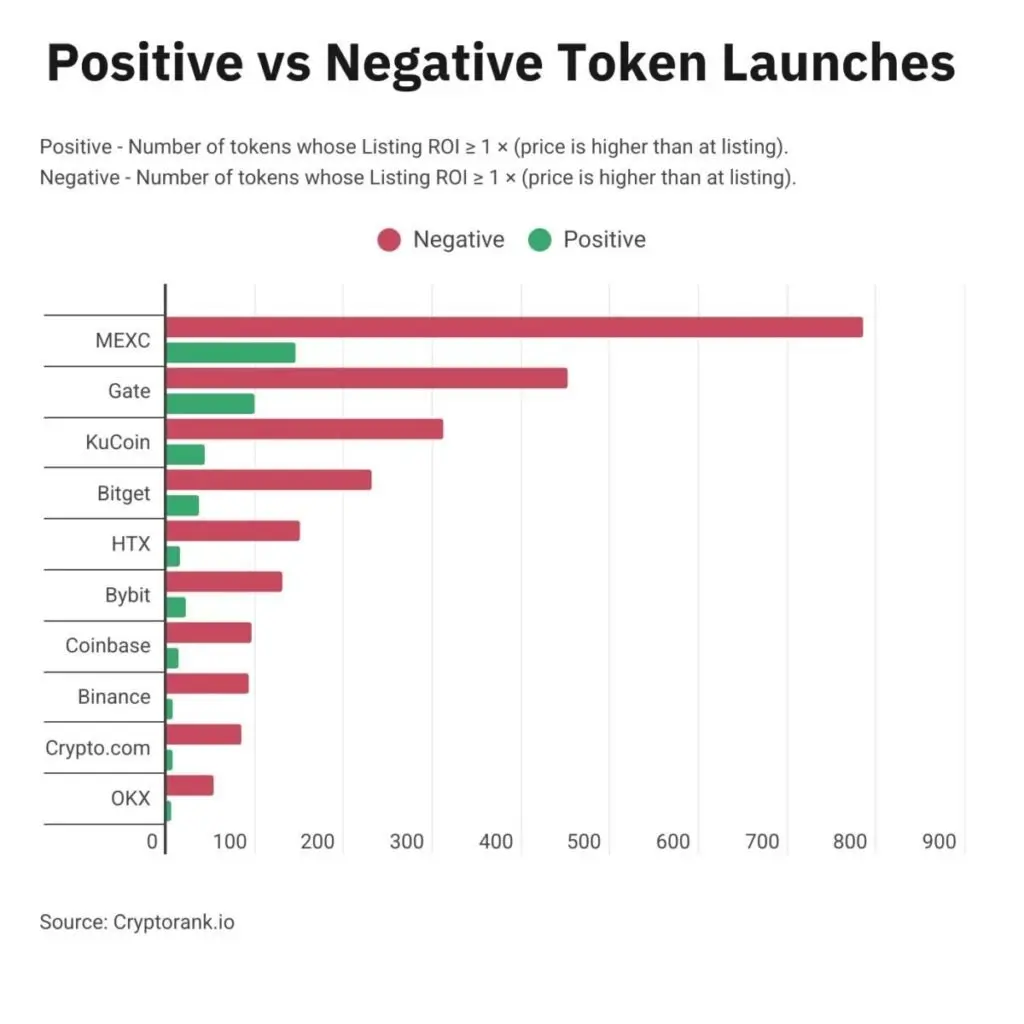
Perfectly timing the market is near impossible, since the market has a volatile nature, but you can absolutely assess recent token listings and how they’ve performed. Use parameters and indicators like the fear and greed index in order to make an informed decision.
In checklist format:
- Assess what your budget allows. Choose carefully to avoid spending money you’d need elsewhere.
- Choose a path that makes sense. Your roadmap and approach should factor into how you will list your token.
- Time your listing. If you have the luxury of timing your launch well, do it. A rushed launch is usually a stressful one and may perform badly.
Quick FAQ on Product:
- Do I have to launch my token on a CEX (Centralized exchange)?
- No, you can launch your token on a DEX (Decentralized exchange) and still be successful with your launch.
- What does it cost to list my token on a CEX?
- It depends on the exchange, but listing prices can range from $10k USD up to close to a million USD, so think carefully about the path you choose.
- How much do I need to allocate to liquidity?
- This also depends on where you list, but commonly, web3 projects allocate anywhere between $100k USD up to 2 or 3 million USD for their initial liquidity, depending on the exchange and the money they have at their disposal. When allocating funds for liquidity, keep in mind that you’ll need to match what you allocate in tokens in stablecoin/cash.
Miscellaneous
- Token and other smart contract audits. If you launch your own token, get it audited by a reputable auditing firm.
Conclusion - Substance over hype in 2026
As a founder in web3 in 2026, you’ll need to think of many aspects affecting your token launch. What’s more important than ever is to execute well and not only leverage your marketing to create hype. The crypto and web3 community has seen countless projects and tokens launch on nothing but marketing and many of those companies are no longer around.
You can only launch your token once, so make sure to build towards your launch, craft robust tokenomics, be and stay transparent, build a strong and engaged community and think long-term.


